



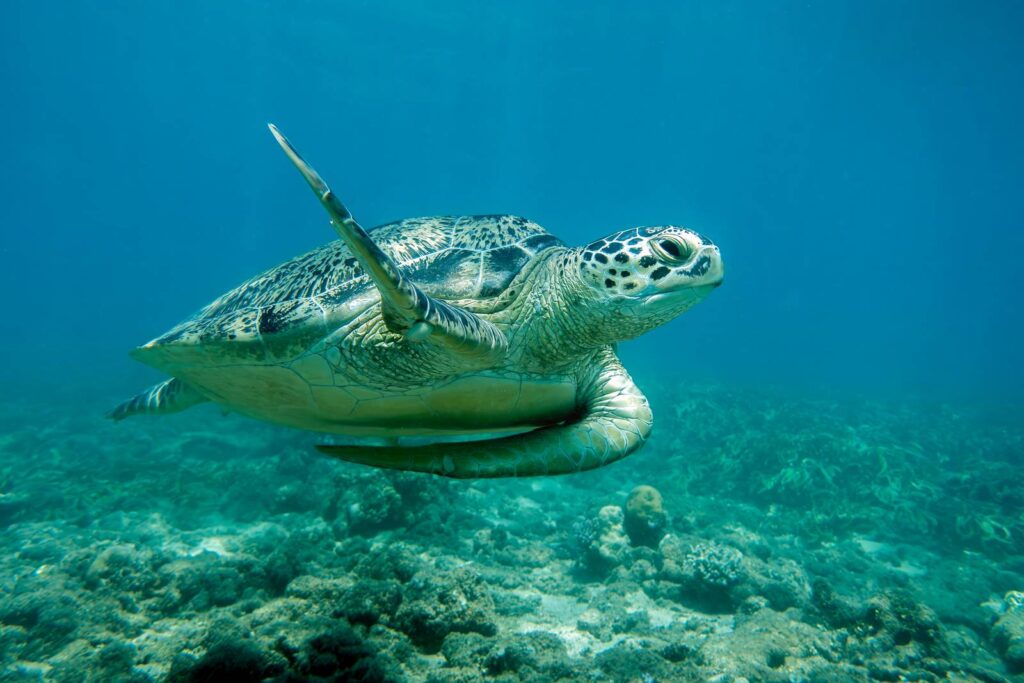
The common sea turtle, Caretta caretta, è tornata. Dopo decenni di quasi assenza, negli ultimi anni le spiagge del sud e del sud-est della Sardegna hanno registrato deposizioni di uova sempre più frequenti. È una buona notizia che racconta molto sullo stato del Mediterraneo e sull’importanza dei nostri litorali.
A Mediterranean turtle
La Caretta caretta è la tartaruga marina più diffusa nel Mediterraneo. Gli adulti pesano in media tra ottanta e centoventi chili e possono raggiungere il metro di lunghezza. Vive nelle acque aperte, ma è philopatric: le femmine tornano a deporre le uova sulla stessa spiaggia in cui sono nate, spesso a distanza di vent’anni.
È una specie at risk, protetta dalla Convenzione di Berna e dalla normativa europea. I pericoli principali sono le catture accidentali nelle reti da pesca, gli impatti con le imbarcazioni, la plastica e — a terra — il disturbo luminoso e meccanico delle spiagge.
Perché torna in Sardegna
Until a few decades ago Mediterranean nesting was concentrated in Greece, Turkey and Libya. The progressive warming of the water ha spostato verso nord-ovest le aree idonee. Oggi l’Italia meridionale — Calabria, Sicilia, Puglia e, sempre più spesso, Sardegna — accoglie nidificazioni che prima erano rarissime.
South-eastern Sardinia has the right conditions: fine sand, beaches still relatively unbuilt, coasts protected by marine areas. In recent years monitoring networks and volunteers have documented several nests along the shore, from Costa Rei to Chia.
How nesting works
The female comes onto the beach at night, between June and August. She digs a hole about fifty centimetres deep with her hind flippers, lays eighty to a hundred spherical eggs, covers them with sand and returns to the sea. She has no further connection with the nest.
Dopo cinquanta-sessanta giorni, quasi sempre di notte, i piccoli emergono tutti insieme e corrono verso il mare guidati dal riflesso della luna sull’acqua. È la fase più delicata: qualunque luce artificiale dalla terraferma può disorientarli, allontanandoli dall’acqua e condannandoli a disidratazione o predazione.
What to do (and not do) on the beach
During the summer season it is worth knowing a few simple rules:
- If you find an unusual track sulla sabbia all’alba — un disegno a trattore largo circa un metro — non cancellarla e avvisa un bagnino, la Capitaneria o il numero 1530.
- If you see a turtle in the water, slow the boat down and do not approach.
- At night, avoid lights pointed towards the sea: they disorient newly hatched turtles.
- Do not leave litter, especially plastic: bags in the sea are mistaken for jellyfish, one of the natural prey of the Caretta caretta.
What it means for us
Il ritorno della Caretta caretta è un indicatore importante di qualità ambientale. Al Cormoran Resort Villasimius, durante la stagione, i nostri ospiti trovano sulla spiaggia riservata indicazioni su come comportarsi se notano qualcosa di sospetto nella sabbia. Ogni nido monitorato è un piccolo patrimonio condiviso: ci ricorda che il mare non è uno sfondo, ma un ecosistema che risponde alle nostre azioni.
Cormoran Resort Villasimius
Discover our seasonal offers
Prenota direttamente e scegli il soggiorno più adatto al tuo viaggio in Sardegna.